Corporate conferences, product launches, private functions, red carpet events and VIP occasions can bring together guests, suppliers, contractors, production teams and high-profile individuals within a very short period of time. From a security perspective, these environments can change quickly, with access arrangements evolving throughout the day, unfamiliar people moving through the venue and several operational teams needing to work alongside one another.
At Security Risk Specialists Ltd (SRS), effective Event Security in London begins well before the first guest arrives. Our approach starts with understanding the event, the venue and the client’s expectations before determining the security arrangements required. The number of Security Officers deployed is only one part of this. Effective security also depends on how people, procedures, communication and technology work together within the environment being protected.
This approach is consistent with Health and Safety Executive guidance on assessing crowd safety risks, which recommends considering how people arrive, enter, move around a venue, exit and disperse. ProtectUK guidance for the events industry also reinforces the importance of considering security, safety, incident response and service as connected parts of the wider event operation.
Understanding the Event Before Deciding the Security
There is no single security model that works for every event. A corporate conference has different requirements from a private dinner, while a product launch may involve media, high-profile guests and areas that need to remain restricted. Red carpet events can bring together invited guests, members of the public, photographers and talent movements, while private and VIP functions may require a more discreet approach.
Before a deployment is agreed, our Management Team considers the nature of the event, expected attendance, guest profile, venue layout, entrances and exits, restricted areas, contractors, deliveries, VIP movements and emergency arrangements. This helps determine where Security Officers should be positioned, how access should be managed and what information the team needs before the event begins.
Some environments require a strong and visible presence. Others benefit from a smaller, carefully positioned team able to work discreetly around guests and the event programme. The security arrangement should reflect the event itself rather than follow a standard formula.
Security, Access and Professional Judgement
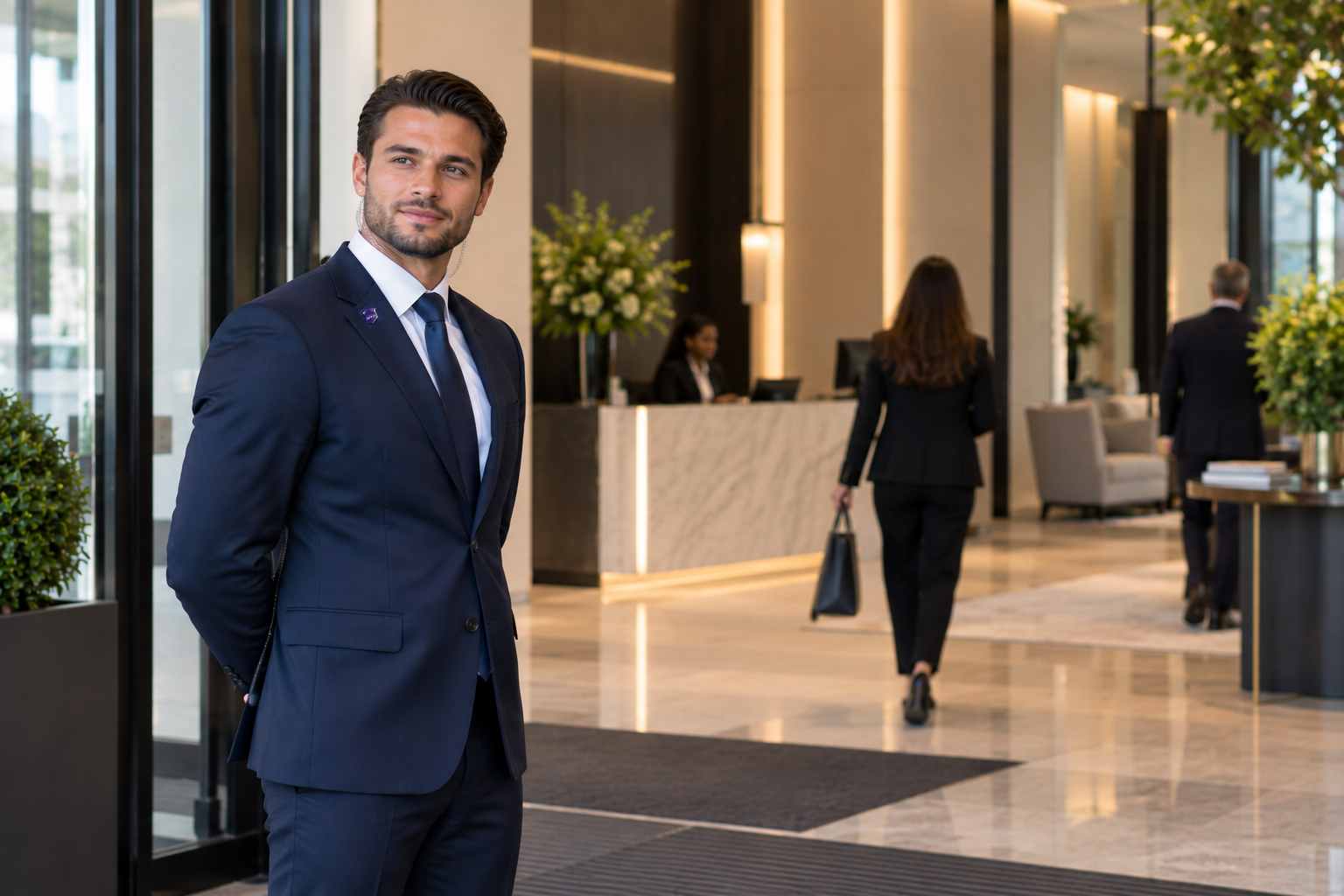
For many corporate and VIP events, Security Officers are among the first representatives guests meet. Guest lists may need to be checked, accreditation verified, suppliers directed and restricted areas protected, while the environment still needs to feel welcoming and professionally managed.
This is particularly relevant to SRS because of our experience across Security-Concierge environments, premium offices, residential developments and other London locations. Our teams are accustomed to combining security awareness with presentation, discretion, communication and customer service.
Crowd management is also relevant beyond festivals and stadiums. A corporate event can experience a significant arrival peak within a short period of time, delegates may move between sessions simultaneously and reception areas, bars or cloakrooms can become busy quickly.
The HSE guidance on crowd-management controls identifies arrival and entry, circulation within the venue, and departure and dispersal as important stages of event planning. Redirecting guests before congestion develops, supporting a busy entrance or alerting the organiser when a programme change begins to affect movement can make a significant difference to how safely and smoothly an event operates.
Technology can strengthen this operation. CCTV, electronic access systems, radios, digital guest lists and accreditation platforms all provide useful information, and where appropriate SRS can combine manned guarding and electronic countermeasures within the security solution.
However, technology still requires professional judgement. A guest list may confirm that somebody has been invited without determining whether that person should have access to a particular area. CCTV may identify repeated movement around an entrance, but an experienced Security Officer still needs to interpret that behaviour within the context of the event.
ProtectUK guidance on attack planning and event security also highlights the importance of recognising unusual interest in security arrangements and access points. Understanding what normal activity looks like within an event helps security personnel recognise when something falls outside that pattern and needs to be escalated.
Practical Measures to Strengthen Event Security
- Event-specific Security Risk Assessment
The venue, guest profile, programme, access arrangements and potential vulnerabilities should determine the measures required rather than relying on a standard deployment. - Access and accreditation
Guest lists, accreditation procedures, restricted areas and the process for managing unexpected arrivals should be agreed in advance and applied consistently. - Briefing and escalation
Security Officers should understand key timings, areas of responsibility, access arrangements, emergency procedures and escalation routes before guests arrive. Where high-profile individuals are attending, planning may also include private areas, specific arrival and departure routes, VIP movements or Close Protection requirements. - Supplier and contractor management
Caterers, production crews, photographers, technicians and other teams may require access at different times and through different parts of the venue. Clear communication between security, management, the organiser and the venue helps these movements take place without weakening access controls. - Emergency and welfare planning
Medical incidents, evacuation, lockdown, protest activity and other unexpected situations can require several teams to respond quickly. Responsibilities and communication routes should therefore be understood in advance. The aim is not to make an event feel heavily secured. The objective is to put proportionate measures in place that can adapt when circumstances change.
Preparedness, Martyn’s Law and Guest Welfare
The Terrorism (Protection of Premises) Act 2025, commonly known as Martyn’s Law, has placed greater attention on protective security and organisational preparedness at publicly accessible premises and qualifying events. The Home Office has also published statutory guidance on Martyn’s Law to help organisations understand the framework.
Not every corporate, private or VIP event will fall within the legislation, but the wider principle of preparedness remains relevant. Appropriate access controls, clear responsibilities, effective communication and procedures that continue to function when circumstances change are important across many event environments.
SRS has previously addressed these principles through our Martyn’s Law post, focusing on observation, site understanding, trained personnel and controlled escalation.
Preparedness also includes guest welfare. Event Security is not limited to access control or deliberate threats. A guest may become unwell, somebody may require assistance, alcohol may be involved or a welfare concern may be raised.
The Home Office’s guidance on spiking for venues and festival organisers highlights the importance of supporting potential victims, arranging medical assistance where necessary and involving the police appropriately. SRS has also used Anti-Spiking Week in its communications to raise awareness around trained personnel, visible security and appropriate response.
A Security Officer may therefore move from managing accreditation to assisting with a medical or welfare concern within the same event. Communication, judgement and adaptability remain central to the role.
SRS Event Security Experience Across London
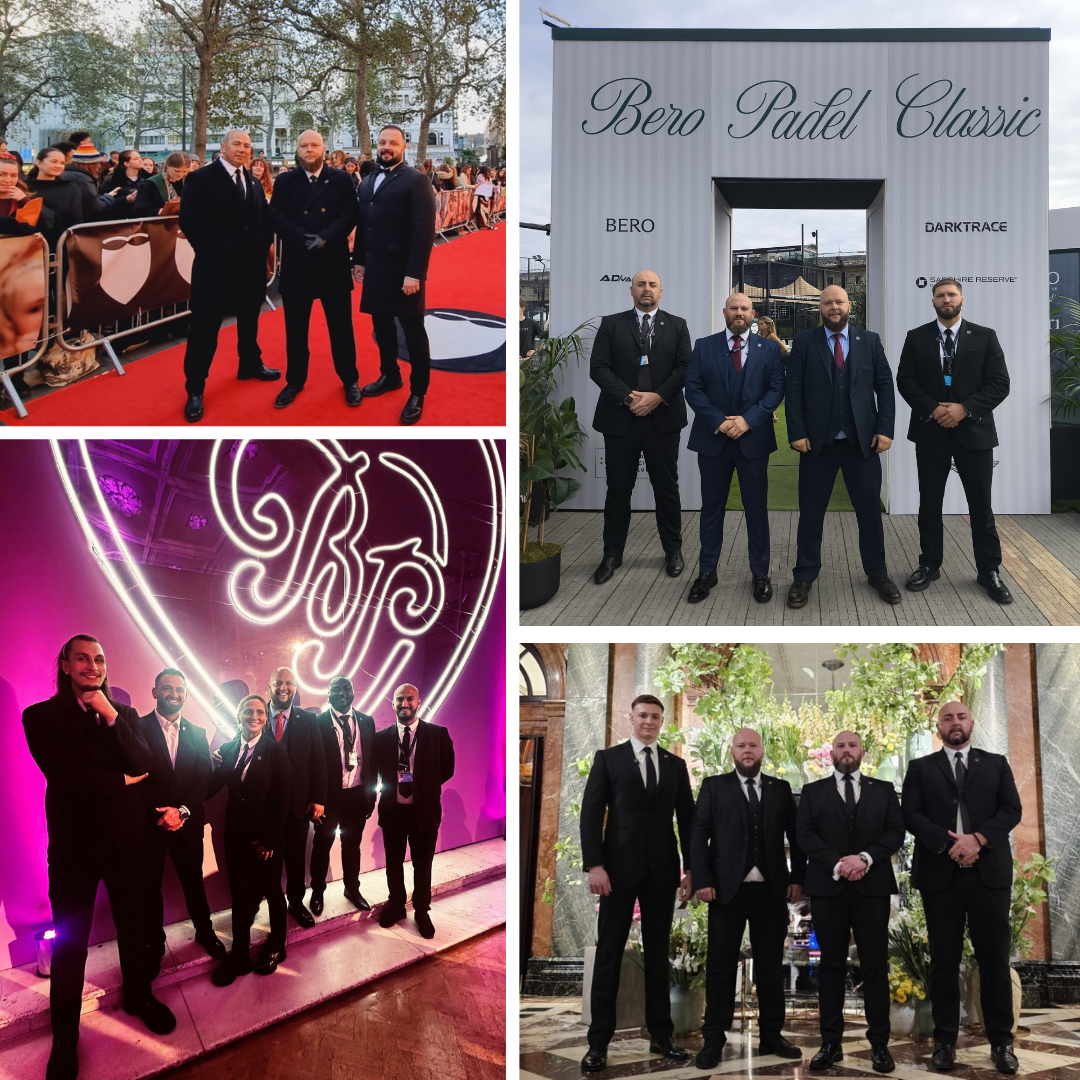
Our SRS team has supported a wide range of high-profile events and assignments across London, including events connected with the King’s Coronation, an event involving the Royal Navy, red carpet events in Soho and Leicester Square, movie and film festivals, private and VIP events at The Dorchester, The Ritz and the Royal Overseas League, as well as Close Protection assignments.
At the Bero Padel Classic, our team provided Event Security at an open-air venue attended by A-list celebrities. Client feedback highlighted that the environment remained highly secure while those involved also felt comfortable throughout the event. For corporate and VIP events, that balance between control and guest experience is particularly important.
SRS has also supported a 500-person event operating across multiple venues. The client described the team as “attentive yet perfectly discreet”, helping to provide peace of mind to the wider delegation while allowing the event itself to remain the focus. Managing security across several locations requires clear coordination and an understanding of how guests and operational teams are moving between venues. Further client feedback can be found on our Testimonials page.
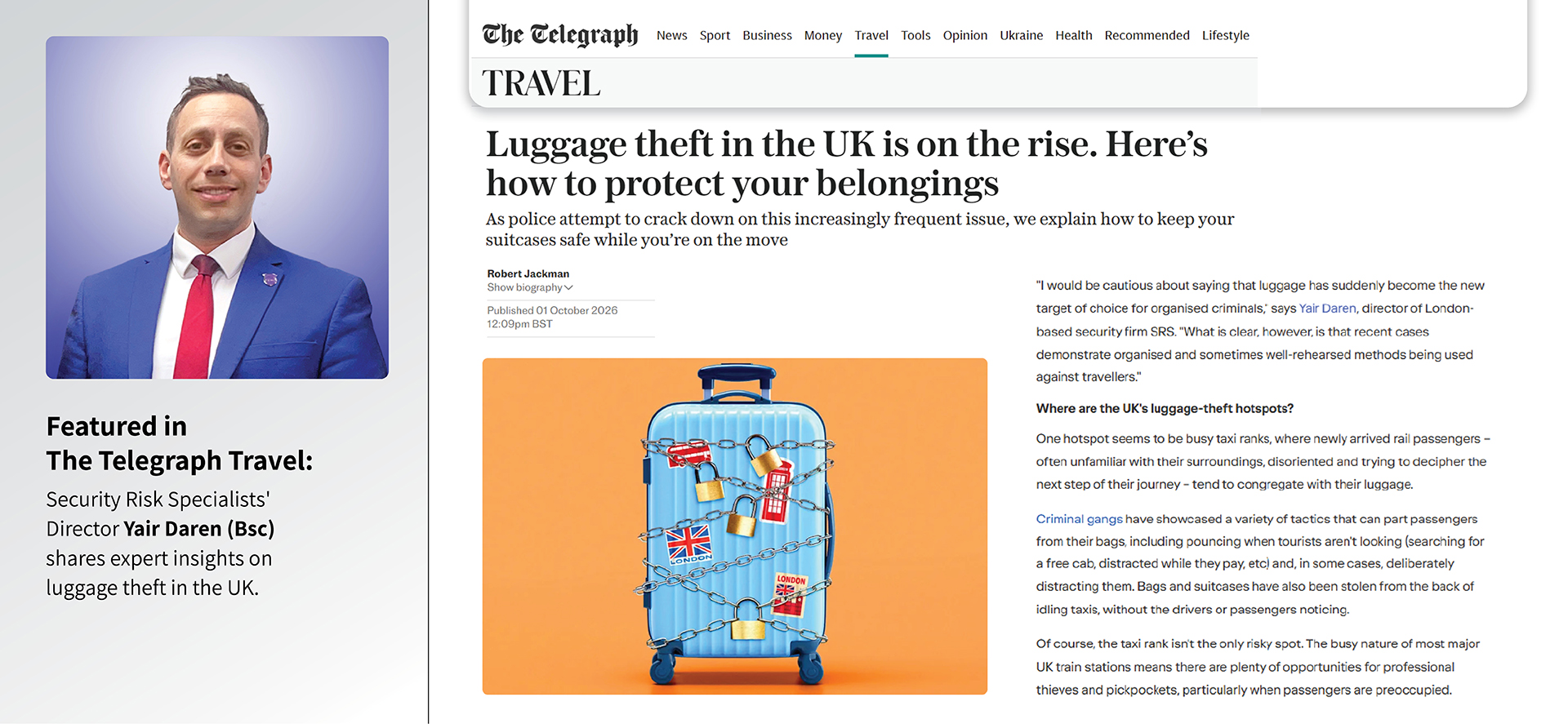
Our experience has also contributed to wider discussions around major event security. SRS Managing Director Yair Daren was interviewed by Euronews in connection with security surrounding Taylor Swift fans and major concert events, providing an operational perspective on some of the considerations involved in protecting busy public environments.
Crowd behaviour, transport, public spaces, changing threat levels and guest welfare can all influence an event security operation. This is why planning needs to consider what is happening around the venue as well as what is happening inside it.
At Security Risk Specialists Ltd, our Event Security Services in London can include SIA-licensed Security Officers, Security Risk Assessments, access and accreditation management, guest and crowd management, VIP movements, Close Protection, front-of-house security, contractor and supplier access, entrance and perimeter management, incident response and electronic countermeasures.
Where presentation and guest experience are especially important, our Security-Concierge experience adds another dimension. When our Security Officers work at an event, they represent SRS, but they also represent our client. Their presentation, communication and interaction with guests therefore matter alongside their ability to identify risks and respond appropriately.
What This Means for Event Organisers
Effective Event Security is often reflected in the smooth operation of the event rather than in a dramatic intervention. A queue is addressed before it becomes a problem, an unexpected visitor is managed without unnecessary disruption, a guest receives assistance quickly and changes to the programme reach the right people at the right time.
For organisations planning corporate, private, red carpet or VIP events in London, involving the security provider early creates more opportunity to understand the venue, guest profile and operational requirements before the event begins.
At SRS, our approach continues to be shaped by strong site understanding, professional Security Officers, effective communication and a service-led approach. Our mission remains “Making London a better city, one welcoming and safe building at a time.”
For further information, visit our Event Security Services in London or contact Security Risk Specialists Ltd on 020 3004 4189.